Building community through a new campus tradition

The Division of Student Affairs and Success launched the inaugural Go Bananas! Carnival in Spring 2026, creating a new campus tradition designed to bring students together in celebration, connection, and community before final exams. Held on East Field, the event welcomed nearly 2,500 students for an afternoon of carnival rides, games, live entertainment, creative activities, food, and Banana Slug pride.
More than just a celebration, Go Bananas! reflected DSAS’s commitment to creating meaningful opportunities for students to build community and experience joy during a demanding time of the academic year. The event also honored the 40th anniversary of the Banana Slug as UC Santa Cruz’s official mascot with a birthday celebration for Sammy, bringing together students, families, and the campus community around a shared tradition.
Supported by student interns, volunteers, and campus partners, Go Bananas! demonstrated the power of intentional programming to foster belonging, connection, and student well-being.
IGNITE builds belonging from day one
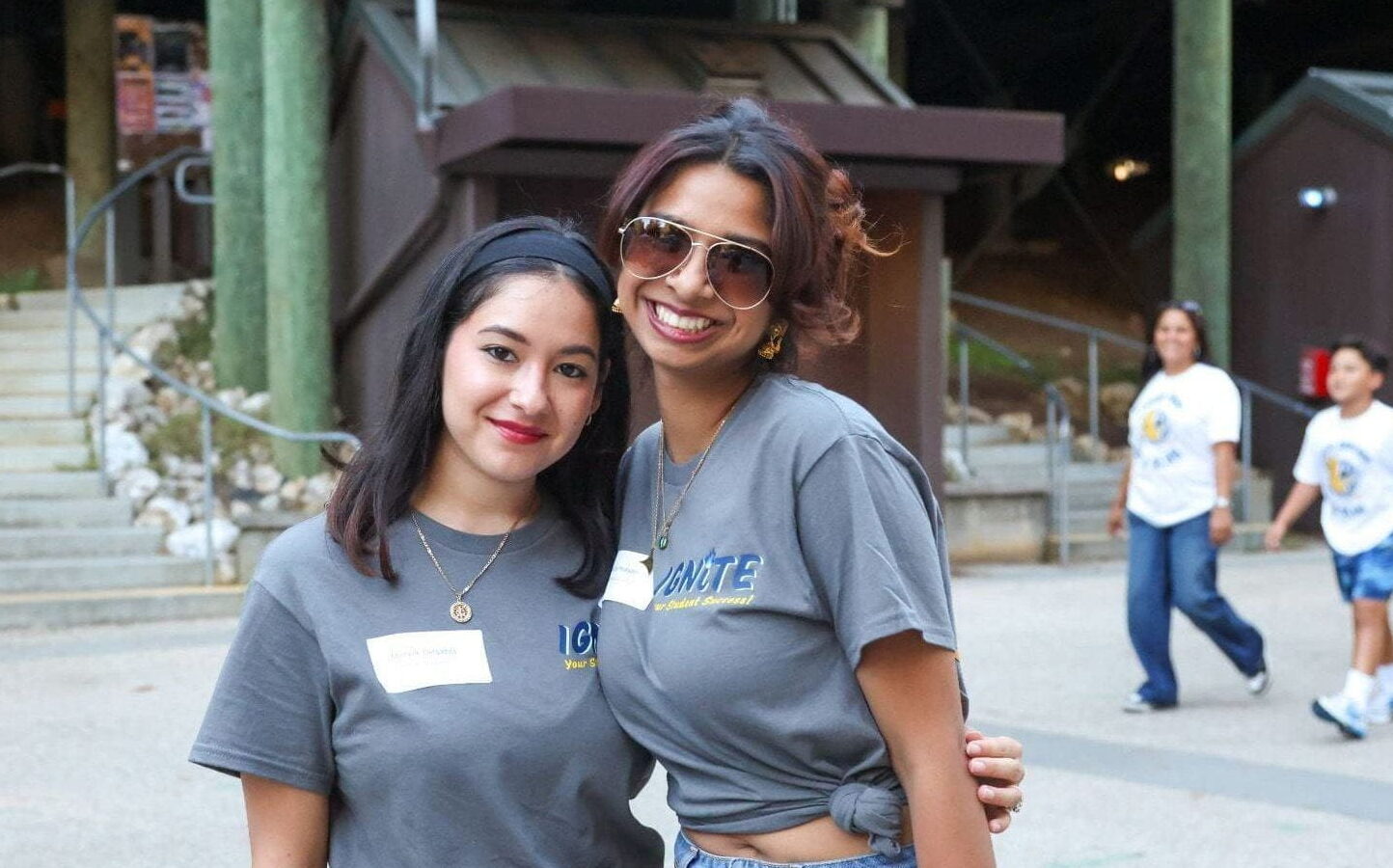
The Division of Student Affairs and Success piloted IGNITE, a free extended orientation program designed to help incoming first-year and transfer students begin their UC Santa Cruz experience with confidence, connection, and community. Combining virtual summer engagement with a five-day, on-campus experience, IGNITE introduces students to peer mentors, campus resources, and the knowledge and relationships that support a successful transition to university life.
The pilot in summer 2025 engaged 472 incoming students through identity-affirming workshops, community-building activities, and educational sessions focused on topics such as the first-generation college experience, navigating the university for those from underresourced backgrounds, and celebrating the diverse lived experiences of UC Santa Cruz students. By fostering a sense of belonging before the first day of classes, IGNITE is helping students build the confidence, support networks, and campus connections that contribute to long-term student success and persistence.
Nourishing student success through meal kits

The Basic Needs team continued to expand its meal kit program this year, advancing campus well-being while helping address food insecurity through practical, hands-on support. The program was created to help students build confidence in the kitchen as they begin living more independently.
Each meal kit includes fresh ingredients, step-by-step recipes, and easy-to-follow cooking instructions that make preparing healthy, affordable meals approachable. The program also celebrates the rich cultural diversity of the UC Santa Cruz community by featuring recipes and cuisines that reflect students’ backgrounds while encouraging exploration of new culinary traditions.
During the 2025–26 academic year, Basic Needs offered 14 meal kit distributions, providing approximately 700 meal kits to students. Alongside CalFresh enrollment support, finals-week food distributions, and community grocery resources, the meal kit program reflects Basic Needs’ holistic approach to student success. By pairing access to nutritious food with practical life skills and culturally relevant programming, the initiative helps students build confidence, strengthen food security, and develop healthy habits that support academic and personal well-being.
New partnership with UC Davis expands medical education on the Central Coast
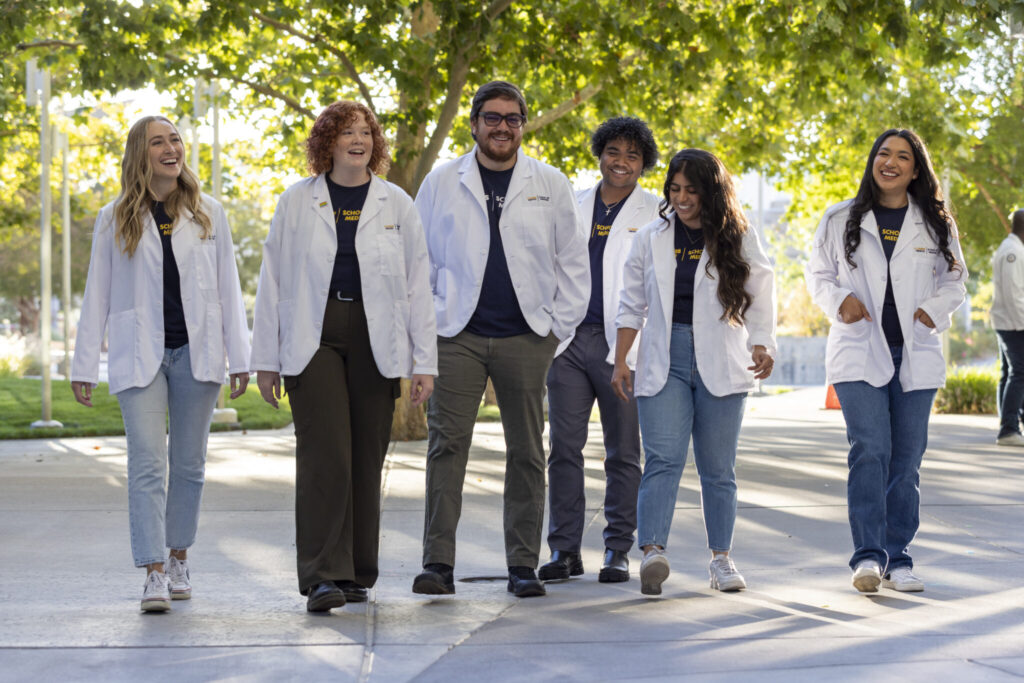
UC Santa Cruz established its first formal medical school pathway through a new partnership with the UC Davis School of Medicine. Supported by $1.5 million in state funding, the new UC Programs in Medical Education Central Coast (PRIME Central Coast) will provide eligible students with a direct route to medical education while addressing the region’s physician shortage.
The new program builds on UC Santa Cruz’s growing investment in healthcare education, including the Global and Community Health major, the Pre-Med Postbaccalaureate Program, and regional partnerships that support students pursuing healthcare careers.
Students interested in medicine now have a clearer pathway from undergraduate education to medical school while helping address a critical healthcare need across the Central Coast.
Supporting student success through degree pathways
UC Santa Cruz now has the highest three-year graduation rate in the University of California system, with 10.3 percent of students completing their bachelor’s degree in three years.
This milestone reflects years of sustained, coordinated work across Undergraduate Advising, Summer Session, Admissions, the Degree Progress Unit, and many other campus partners to make three-year graduation an achievable option for students. Students have access to three-year pathway plans for 33 majors, individualized academic planning with advisors for any major, and improved degree-planning tools that help them stay on track while tailoring their education to their goals.
For students who choose to graduate in three years or less, these pathways can reduce educational costs and allow them to begin careers or graduate study sooner.
In 2025–26, UC Santa Cruz strengthened international academic partnerships, creating more opportunities for students to study at universities around the world and continue their education abroad.
The university established its first official 2+2 degree agreement with the University of Indonesia. This creates a pathway for students to begin their studies in Indonesia and finish their degree at UC Santa Cruz.
UC Santa Cruz also launched its first veterinary medicine pathway with the University of Bristol, giving graduates a clear path to an internationally recognized veterinary degree that prepares them for licensure in the United States.
These first-of-their-kind agreements broaden UC Santa Cruz’s global partnerships and create new possibilities for students to pursue international education and professional degrees.
Student volunteers recognized for community impact
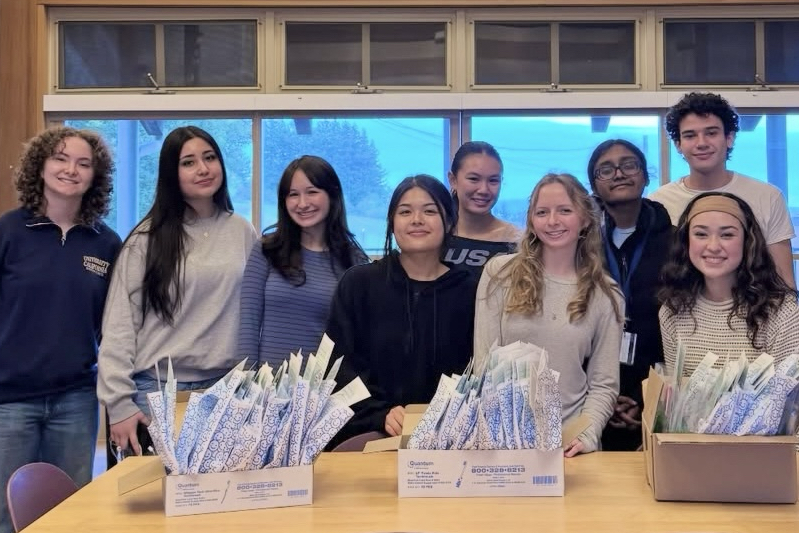
Three student groups—Athletics, Kappa Alpha Theta Sorority, and Project Smile Santa Cruz—were among the honorees for the Volunteer Center of Santa Cruz County’s Be the Difference Award.
The Volunteer Center honored the top 50 individuals, groups, and businesses whose service through volunteerism strengthens the community. The recognition reflects a campuswide commitment to public service, which along with teaching and research, define UC’s mission.
Making college more affordable
UC Santa Cruz expanded scholarship opportunities and continued to make college more affordable for students and families. The university’s scholarship portfolio reached nearly $26 million, and two major scholarship programs expanded. Beginning in fall 2026, the Karl S. Pister Leadership Opportunity Program will double the number of transfer scholars it supports each year, and the Sabatte Family Scholarship will welcome its second cohort of students receiving full-ride scholarships.
These scholarship investments are part of a broader approach to helping students finance their education. More than half of 2024–25 graduates completed their degrees without student loan debt, and The Princeton Review ranked UC Santa Cruz No. 17 in the nation for financial aid.
Innovation in teaching and learning
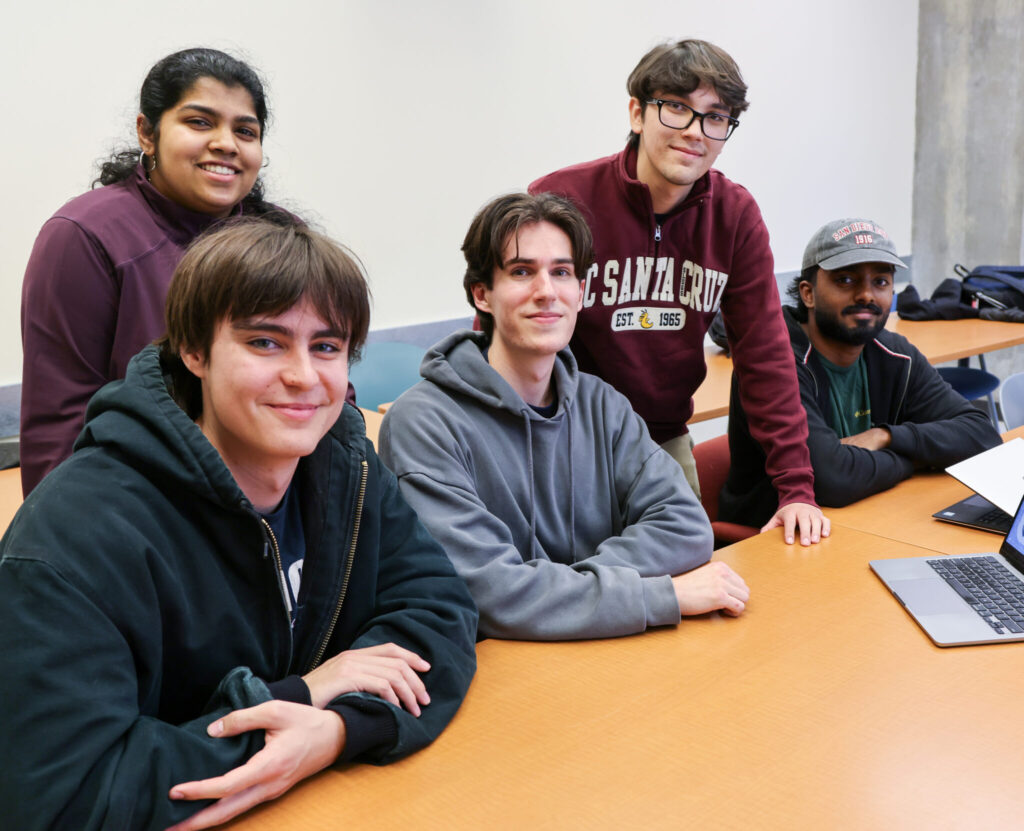
UC Santa Cruz expanded opportunities for experiential learning to help students develop the skills needed to solve real-world challenges. The new Innovation & Entrepreneurship Certificate, open to students from every major, combines interdisciplinary coursework, community-based projects, and practical experiences to help students build career-ready skills.
The certificate represents more than a decade of collaboration among Crown College, the Center for Innovation and Entrepreneurial Development, and other campus and community partners. More than 2,000 students have already taken courses in this program, reflecting growing demand for hands-on experiences that complement traditional degree coursework.
Across the university’s 10 colleges, faculty continue to create innovative courses that combine academic study with experiential learning. One example is Crown College’s Corporate Innovation Laboratory, which places students on an innovation team. Each team takes on challenges posed by industry partners and presents their work to representatives from leading technology companies.
Opening doors to undergraduate research year-round
Through the Summer Research and Internship Pilot, UC Santa Cruz students now have more opportunities to spend their summers immersed in faculty-mentored research and internships while earning academic credit.
In 2026, 300 students participated, doubling the program’s inaugural cohort. New opportunities, including Baskin Engineering’s Vertically Integrated Projects, expanded the program alongside offerings in environmental science, biotechnology, physics, the humanities, and technology for social change, broadening access to hands-on learning across disciplines.
Tuition waivers, campus fee support, and donor- and program-funded scholarships remove financial barriers, allowing students to participate without out-of-pocket costs. These investments make undergraduate experiential learning more accessible while supporting the exceptional faculty mentorship that defines the UC Santa Cruz student experience.
Strengthening regional career pathways
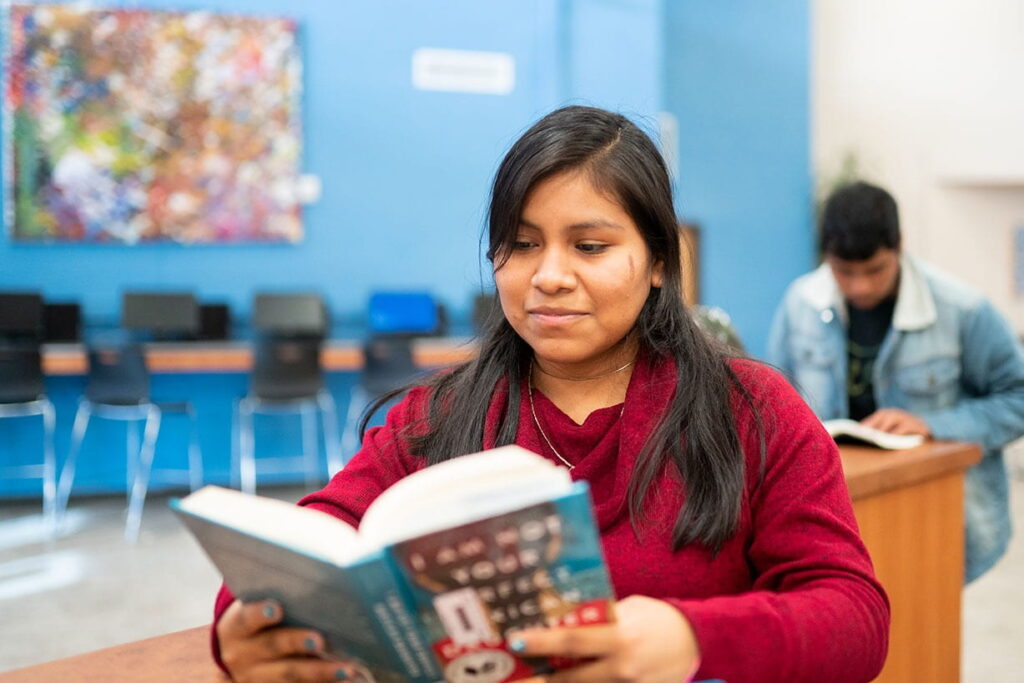
UC Santa Cruz’s Educational Partnership Center continued to strengthen K–16 educational and career pathways by leading the Central Coast K–16 Regional Collaborative. Working with schools, colleges, employers, and community organizations, the university is creating clearer pathways from the classroom to high-demand careers.
The K–16 Collaborative expanded work-based learning opportunities for more than 7,700 students and funded over 100 paid internships and apprenticeships in healthcare, engineering, computing, agricultural technology, and advanced manufacturing. It also increased dual-enrollment opportunities and launched the Central Coast Master’s for Educators program, enabling 50 teachers to earn master’s degrees and improve access to college-level courses for high school students throughout the region.
The Educational Partnership Center also secured $18.33 million in new federal GEAR UP funding to expand college and career readiness for thousands of students and families across the region.
Together, these efforts are helping students explore careers, gain hands-on experience, and build stronger pathways from K–12 through college and into the Central Coast workforce.
Engaging alumni at every milestone
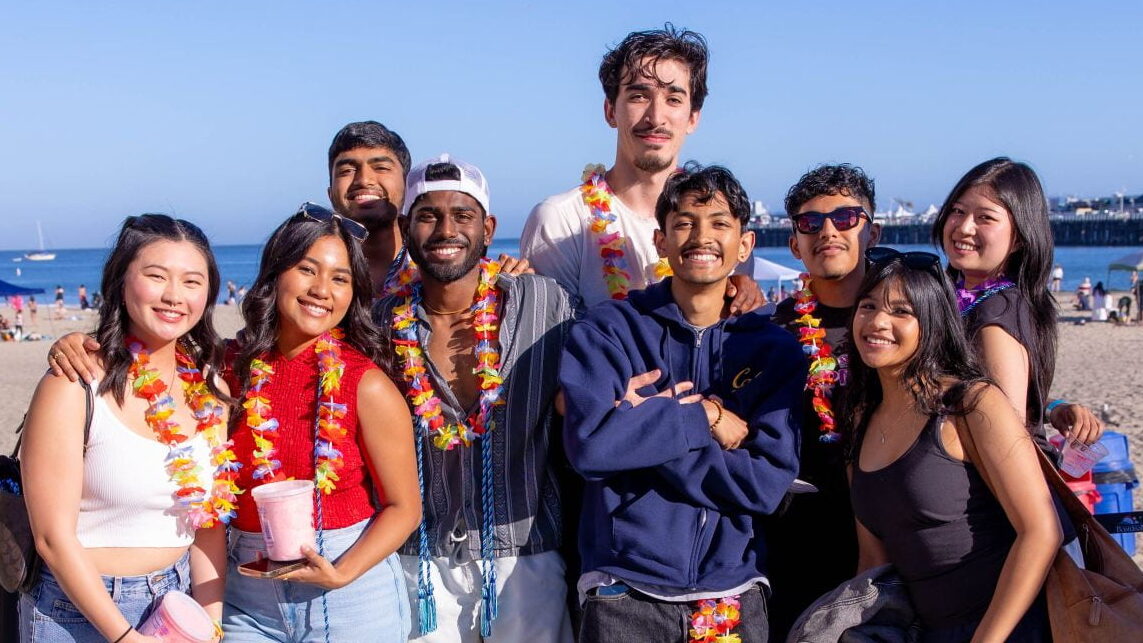
The Alumni Association builds connections with the alumni community at every stage of their journey. It starts before students arrive on campus with the Slug Summer Send-Off Series welcoming incoming students and their families in communities across the state, drawing more than 1,500 attendees at 20 events in 2025. As graduation nears, the Almost Alumni Celebration, held at the Santa Cruz Beach Boardwalk, welcomes the newest class into the alumni network with a toast, music, and celebration.
Slugs at Sundown brings alumni together in Silicon Valley for evening networking and inspiration, while Return to the Redwoods invites alumni back to campus for a weekend of exploration and nostalgia. Alumni Reunion Weekend honors milestone classes celebrating 50 years or more, and regional events keep Slugs connected with their local alumni community. Wherever their paths lead, the Alumni Association meets alumni where they are.