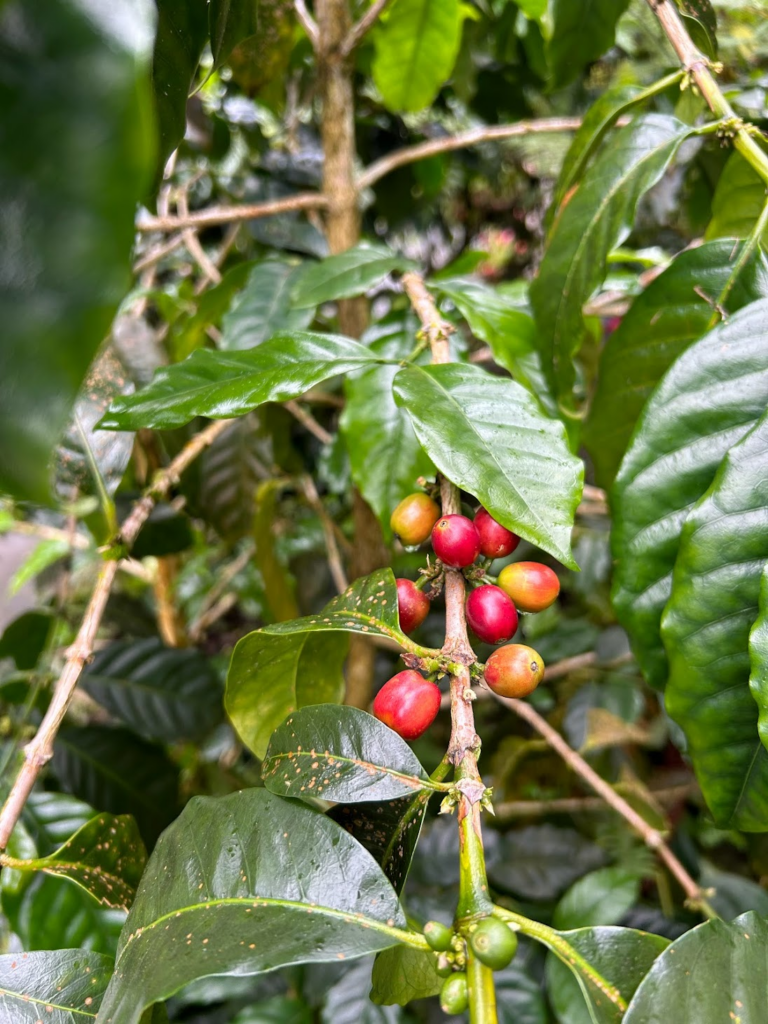
Sanya Cowal, Environmental Studies
Power, Place, and Profit: Examining Geographic Indications through the case of Kona Coffee
To study the Kona Coffee Geographic Indicator, Sanya interviewed 41 stakeholders across the Kona coffee supply chain to understand how, after decades of struggle, Kona coffee farmers successfully redefined their industry’s labeling laws, reclaiming power through legislation (House Bill 2298) that mandates a minimum of 51% Kona-grown beans in any coffee labeled with a Kona geographic indicator (GI). She interviewed stakeholders on coffee farms in Hawai’i, and at two industry events: the Hawai’i Coffee Association conference and the Specialty Coffee Association conference. Interviews across the supply chain demonstrate that House Bill 2298 was driven by a unique convergence of farmer organizing, legal wins, technological shifts, and consumer demands. Yet, even in this farmer success story, producer power remains unevenly distributed, temporally limited, often dependent on vertical integration, and continually threatened by the concentrated buyer power of the supermarket oligopoly.
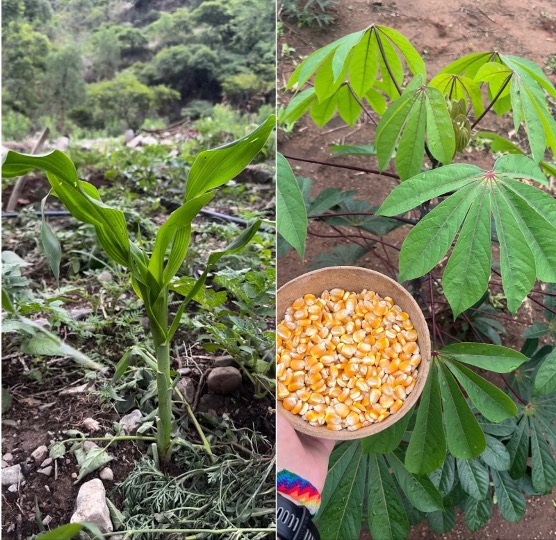
Karen Crespo Triveño, Environmental Studies
Restoring la agricultura familiar campesina? Agrobiodiversity in Quechua and Chiquitano Bolivian Agroecosystems
In Bolivia, industrial agriculture is expanding across highland and lowland ecosystems, driven by agribusiness’s drive to appropriate crops and livestock for export. As a result, Quechua and Chiquitano campesinos face dispossession, compounding the effects of climate change, poverty, and food insecurity. These tensions push farmers to migrate to cities in search of employment, which can fracture traditional farming memory and practice. Yet, Quechua and Chiquitano personal accounts demonstrate aspirations to return to the countryside, recover ancestral farming practices, and build Indigenous food sovereignty. Crespo Triveño’s research examines whether and how reconnecting to Land and restoring ancestral agroecological farming practices can support Indigenous food sovereignty in Bolivia’s Altiplano and Chiquitania. In collaboration with the Program for Integral Interdisciplinary Development and Quechua communities in Northern Potosí, she examines how crop and animal biodiversity are influenced by farmers who remain in their communities, return after migrating, or migrate back and forth. She conducted 14 bilingual farm transect walks (Quechua and Spanish) and farmer surveys to examine the interactive relationship between agrobiodiversity practices and migration patterns. In the Amazonian lowlands, she collaborates with the Chiquitano community of Santa Rita, where she conducted 10 oral history interviews and participated in community food production to see how stable Santa Riteño comunarios and return migrants remember, practice, and share their territory-based knowledges. Preliminary findings demonstrate emic articulations of diversity, uses of cultivar and livestock diversity, and agroecological farming practices that sustain intergenerational practices and cultural memory. Long term, she will answer whether these relationships support not just returning to a place but nurturing re-peasantization—a political struggle for autonomy on Land—through complex spatial migrations.
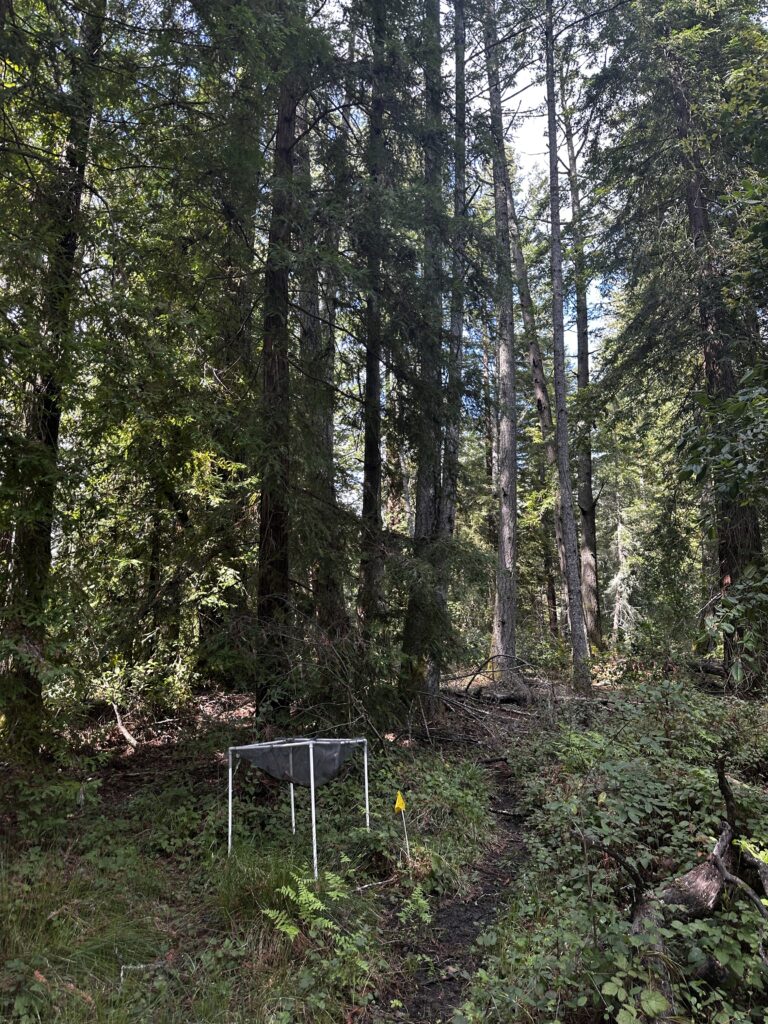
Karla Jasso, Environmental Studies
Spatial patterns and temporal variability in forest pathogens as a basis for a disease – prescribed burn experiment
Tree pathogens play a critical role in forest ecosystems by impacting forest structure and dynamics through infection, making it essential to understand their dispersal. The Forest Ecology Research Plot (FERP) is a coastal Mediterranean forest dominated by Douglas fir. Douglas fir mortality has doubled in recent years, but previous sampling of airborne fungal spores failed to capture one of the two primary wood decay pathogens, Porodaedalea gilbertsonii. In addition, no comprehensive library of wood decay fungi existed for the FERP. To address these gaps, Karla conducted visual surveys on all Douglas fir trees in the FERP and collected conks of wood decay fungi, sequenced them, and established a library reference. She also put out low-cost passive spore traps to collect airborne fungal spores, and sequenced them. She successfully assessed the presence or absence of focal wood decay pathogens for all Douglas fir trees 20-cm or larger in diameter and neighboring smaller trees. She is currently working on integrating spatial data with tree maps to visualize infection patterns. She successfully created a reference library of wood decay fungi, and meta barcoded samples from spore traps.
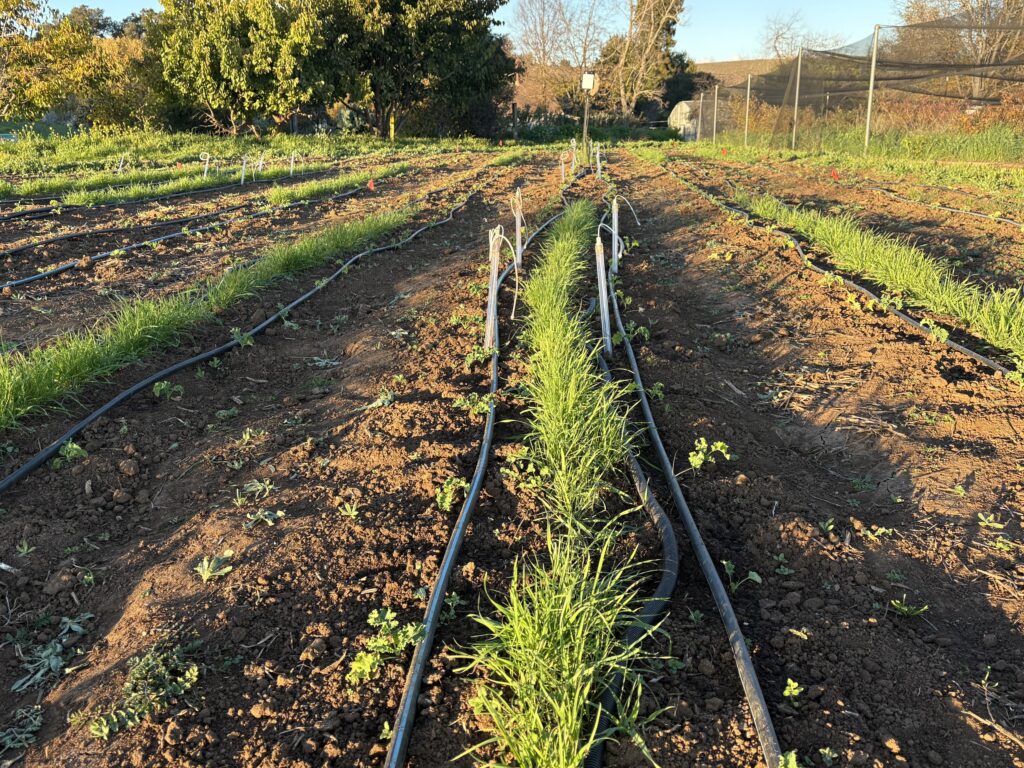
Danielle Klawitter, Environmental Studies
Inter-row cover cropping with deep-rooted perennial grasses for soil health and agroecosystem benefits
Dani and a team of student assistants set up a field trial to evaluate the impact of inter-row cover cropping with deep-rooted perennial grasses on soil/crop health and water dynamics. They set up this trial at the UC Santa Cruz Farm and completed planning for the experiment, including coordinating with staff, sourcing native seeds, and developing field protocols. They prepared the plot (e.g., tilling, bed formation, measuring and mapping plots, initial irrigation setup and later system upgrades), conducted baseline soil sampling (e.g., PLFA, microbial biomass, bulk density, total C/N, and aggregate stability), installed sensors and sampling equipment, and established an initial cover crop. Most recently, they officially seeded the native perennial grasses and started data collection for the first phase of the trial. Preliminary observations suggest good establishment and early growth of the native species, indicating promising potential for persistence under campus farm conditions. The trial will continue for two more years, allowing for long-term monitoring of soil and plant responses.
Nicole Nance, Environmental Studies
Evaluating the Digestibility of Spirulina Byproduct in Rainbow Trout Aquafeed for Sustainable Aquaculture
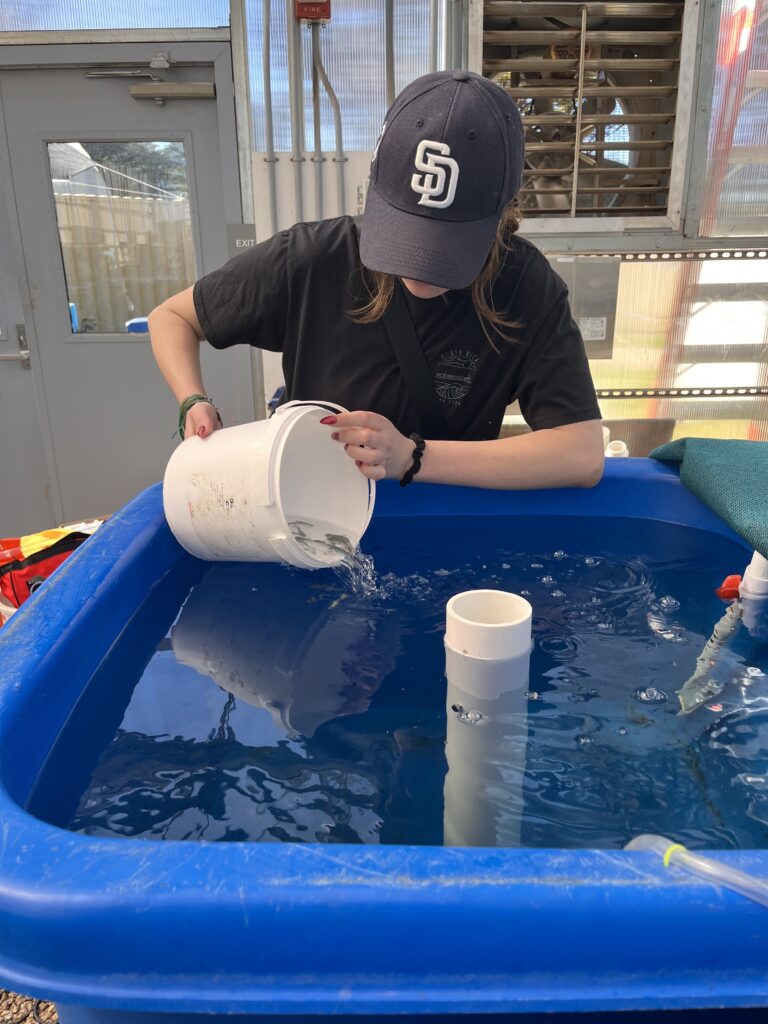
Nicole studied digestibility of spirulina byproduct in Rainbow trout aquafeed during a 3-month trial at the Ecological Aquaculture Greenhouse at the UCSC Farm. She compared the performance of three different diets: A) reference diet, B) 70% Spirulina Raw Whole Cell, 30% Fishmeal Diet, and C) 70% Spirulina Coproduct Diet; each diet provided all needed essential amino acids to the fish. She collected data on water quality, fish growth, fish welfare, and digestibility of the diets. Digestibility is important because if a feed has poor digestibility, then fish cannot absorb nutrients and essential amino acids efficiently, leading to reduced growth, health, and immunity. From an environmental standpoint, if fish are not able to digest their feed properly, this can lead to more nutrients being excreted through their waste, contributing to water pollution. She did not find any significant growth differences between diets and preliminary results indicate fish digested diet A best, followed by C and then B. These results are exciting, as they provide evidence that spirulina coproduct could be a potential ingredient to include in salmonid aquafeed diets. Moreover, the results have the potential to increase the sustainability of salmonid aquaculture.
Jocelyn Rojas, Environmental Studies
The Impacts of Regenerative Agricultural Practices on Soil Health in Urban Gardens in California’s Central Coast
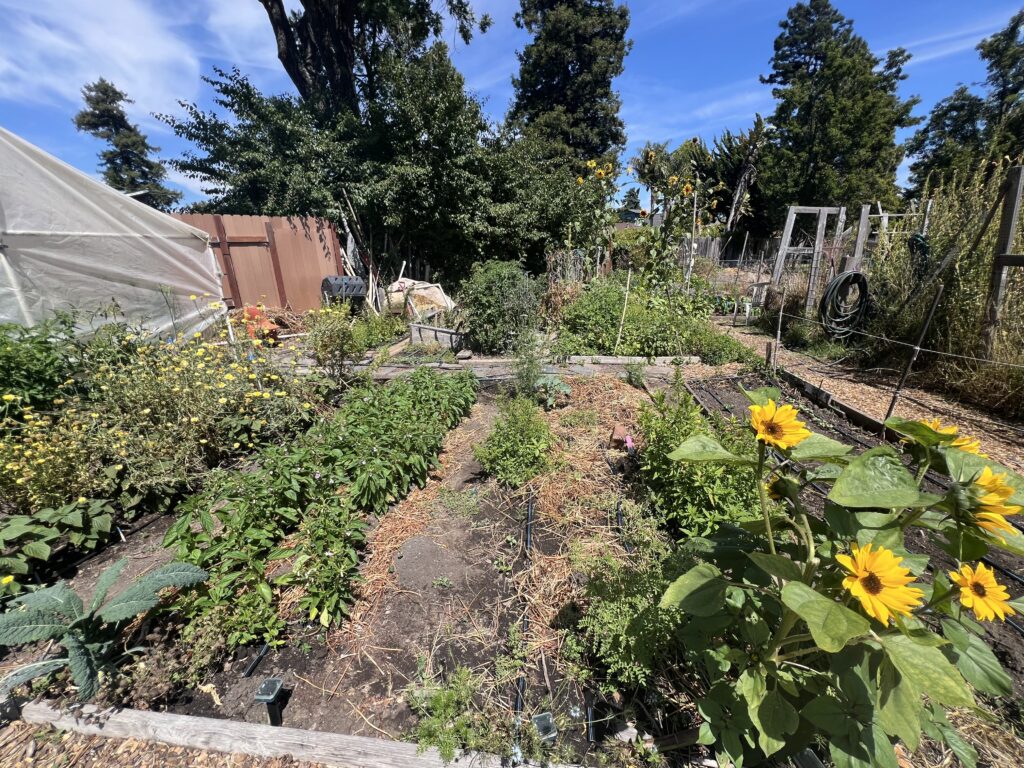
Jocelyn conducted research to explore the impacts of regenerative farming practices on soil health in community gardens in Santa Cruz and Santa Clara counties. She identified plots in eight gardens that used zero, one, or two or more regenerative management practices. She developed field and laboratory protocols for collecting information about plot management, crop preferences, plot size, irrigation, and other details that might inform trends in soil health data. She collected 96 soil samples and began conducting laboratory analyses for a suite of soil health indicators including pH, electrical conductivity, inorganic nitrogen content, microbial biomass, soil arthropod extractions, and potential enzymatic activity. She also fostered strong relationships with the garden stewards she plans to recruit for a second experimental iteration of the study. Field observations reveal the most common regenerative agricultural practices utilized in my garden sites include keeping the soil covered, applying organic amendments, and intercropping. Jocelyn will continue working on laboratory soil analyses to further understand how coupled regenerative management practices impact soil health in urban community gardens.
Piyush Gandhi, Economics
Extinguishing the Blaze: Reducing Crop Residue Burning in India
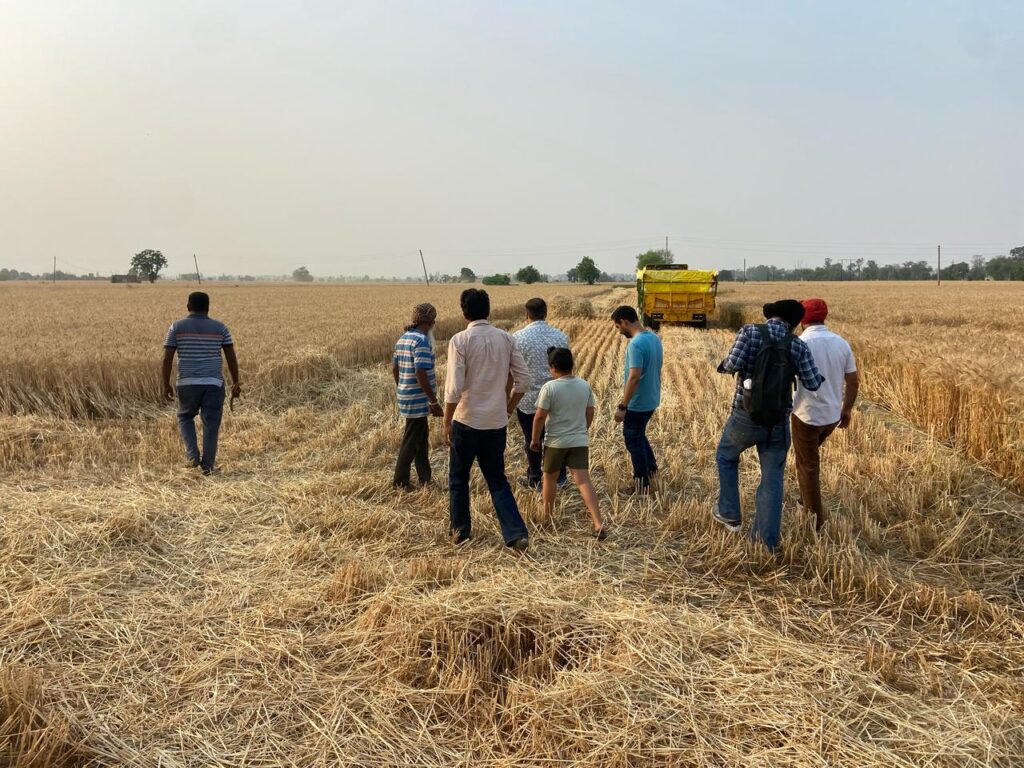
Crop residue burning is a major source of air pollution in India, driven by the short window between rice harvesting and wheat sowing, and limited awareness of sustainable alternatives. This study evaluates the impact of subsidizing early-maturity variety rice seeds (EMV) and providing technical training on residue management in Punjab, India. Providing subsidies reduced burning by 1.59 acres, and providing subsidies plus training reduced burning by 4.03 acres, a significant improvement over the subsidy-only group. Farmers in both subsidy-only and subsidy plus training groups reported improved awareness and confidence in alternatives to burning. These findings offer the first evidence that India’s policy push for EMV adoption can curb residue burning. A cost-benefit calculation suggests that each $1 spent generates $16.80 of benefits in the subsidy-only group and $18.32 in the subsidy plus training group, highlighting the environmental and economic efficiency of scaling this policy intervention. Piyush also demonstrated higher adoption of EMV seeds and lower self-reported time constraints during residue management. Moreover, the lower residue volume from EMV seeds made both in-situ and ex-situ residue management more feasible. These results also show the importance of training in reducing residue burning as farmers in both treatment groups reported greater skills and confidence in sustainable residue management.
Yawen Guo, Electrical and Computer Engineering
Greener Precise Greenhouses
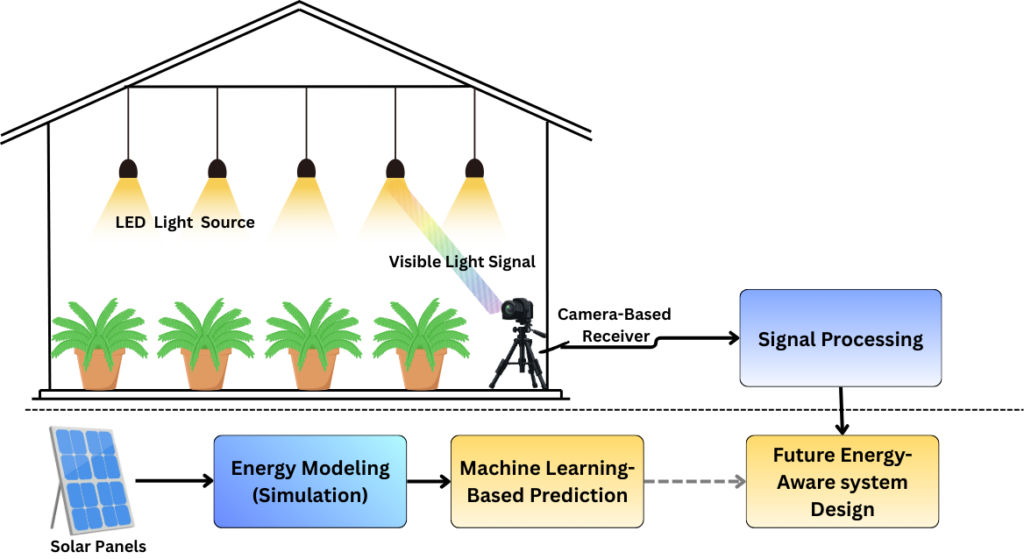
This project focused on improving the reliability, efficiency, and sustainability of visible light communication (VLC), a wireless communication technology that uses light instead of radio signals. VLC has promising applications in areas such as indoor sensing, smart agriculture, and low-power wireless systems. One key outcome of this project was the development and evaluation of a new color-based modulation approach for VLC. This approach is designed to improve data transmission efficiency while maintaining stable and accurate lighting. Unlike conventional techniques, the method pairs color signals to increase the amount of information carried per symbol without introducing additional visual flicker or color imbalance. Under appropriate system configurations, this approach supports both energy-efficient communication and consistent lighting quality, making it suitable for environments such as plant growth facilities. Initial experiments demonstrated reliable data transmission under practical conditions. In addition to communication design, this project explored how renewable energy can support low-power wireless systems. Simulation-based machine learning models were used to explore photovoltaic (solar) energy harvesting patterns at different times of day and across seasons. These models can inform future energy-aware system design and power allocation strategies. Together, this work highlights the potential for combining communication design and energy-aware modeling to support more efficient, reliable, and sustainable VLC systems.
Jake Lee, Electrical and Computer Engineering
Quadruped Robots for Flexible and Affordable Farming
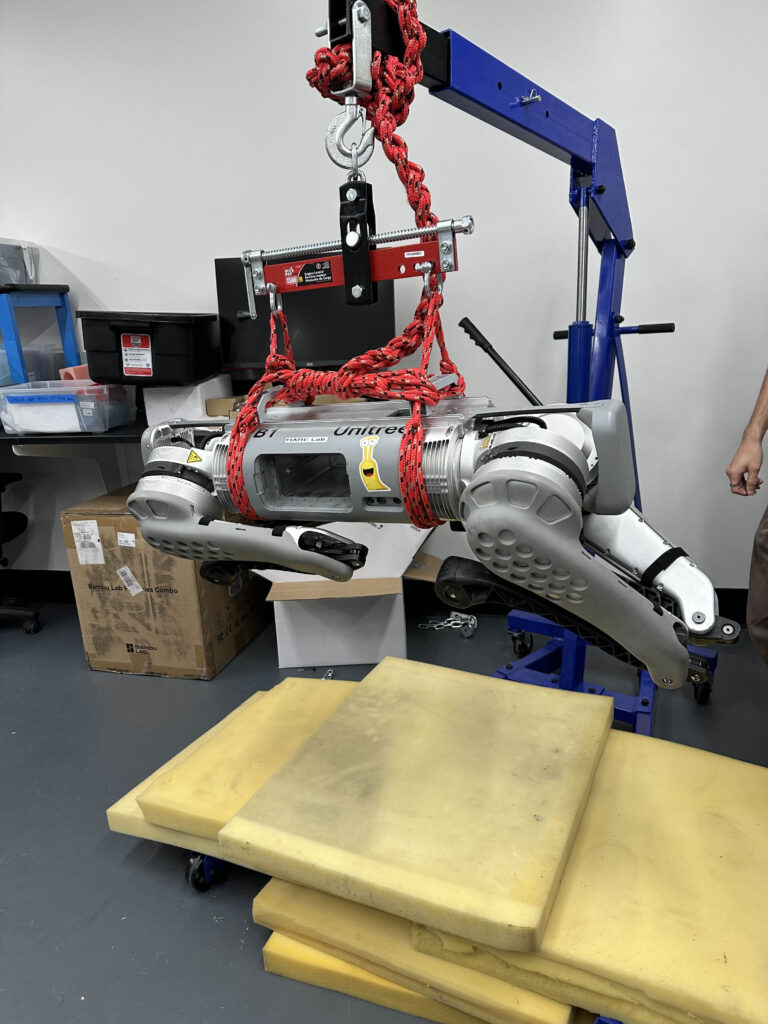
My AES-sponsored project initially aimed to teach a robotic dog to dig holes for farming tasks, but over the summer it shifted to both sensing soil compaction via proprioceptive sensors and navigating rough terrain as incremental steps towards the original goal. First, in collaboration with Eric Vetha, we completed a soil-compaction sensing study using ultrawideband radar and machine learning (ML) by collecting soil samples from local farms and setting up controlled experiments to collect “ground truth” soil bulk densities with which to train our models. This work showed that conventional ML models outperformed deep learning for predicting soil compaction and led to a SenSys submission titled “Deeper Isn’t Always Better: Practical Machine Learning for Soil Compaction Monitoring with UWB Radar”. Second, working with Morgan Masters on the OASIS project, we built and tested a drone path-planning simulation that selects high-information routes over a digital twin farm map using Bayesian statistics and data from Teros-12 soil sensors, with a planned manuscript submission in early 2026. In parallel, we set up the NVIDIA Isaac Sim simulation environment and began training/experimenting with a Unitree B1 four-legged robot (“Comedy”) to relate internal sensor (joint, IMU) signals to soil properties. My next step is to collect these sensor data on farms, pair them with soil penetrometer readings, and build ML models that can predict soil compaction at different depths by simply walking over terrain with a robot.
Eric Vetha, Electrical and Computer Engineering
Low-Cost Low-Power Remote Soil Sensing
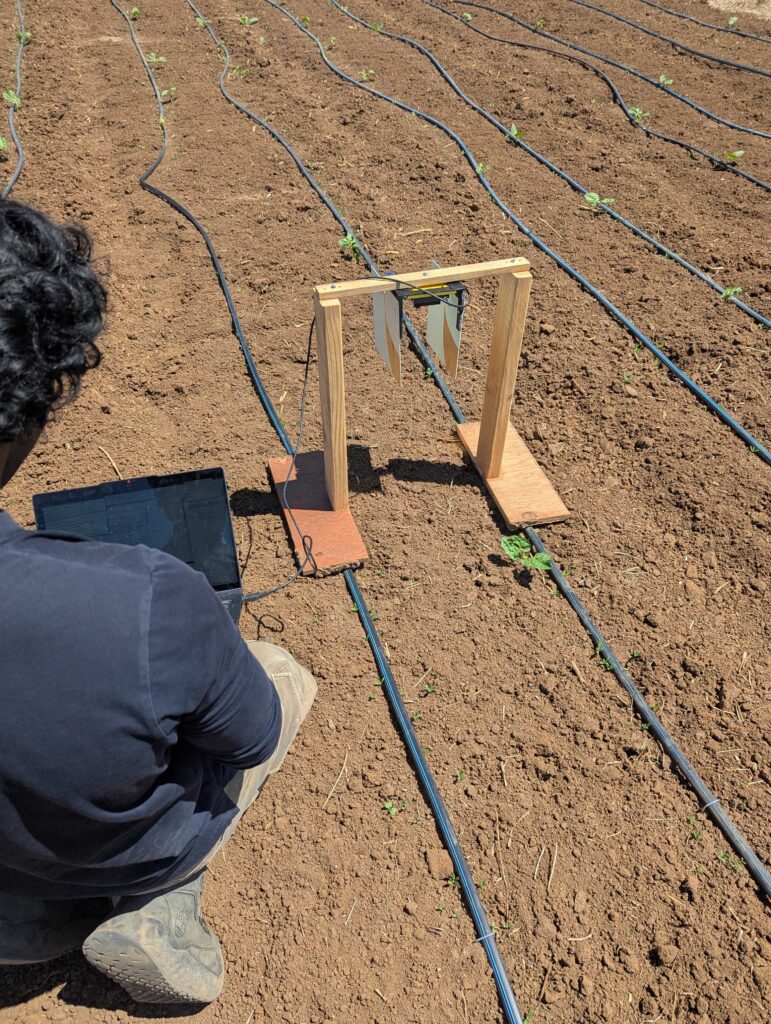
Eric explored how to measure soil health using radar and smart sensing, and how to make soil monitoring cheaper, easier, and less invasive. He built a portable, low-power radar system that can measure how signals travel through soil to estimate how wet or compact it is, which are two key factors that affect crop growth and water use. He designed small “backscatter tags” that reflect radar signals in a way that reveals soil conditions. Tags are inexpensive, battery-efficient, and can stay buried in the ground for long periods. He also developed a printed circuit-board version of the tags that cuts costs and makes large-scale use more practical. Second, Eric used machine learning to interpret radar data and estimate soil compaction. By training algorithms to recognize patterns in radar reflections, the system can predict how dense the soil is without digging or using heavy instruments. The radar system accurately measured soil moisture and soil compaction in lab and field tests. The new design provided stable readings while consuming very little power. In controlled trials, results matched or outperformed more expensive commercial sensors. The machine learning models also proved effective, showing that radar signals contain enough information to estimate soil density with useful precision. These results demonstrate that portable radar could one day replace costly, maintenance-heavy soil probes used in agriculture today. Used together, these methods could offer a practical, low-cost tool for monitoring soil health and supporting sustainable farming.
Mirella Ferraz, Electrical and Computer Engineering
Linking Microbial Activity, Carbon Cycling, and Bioelectricity: Investigating MFCs as a Tool for Soil Process Insights
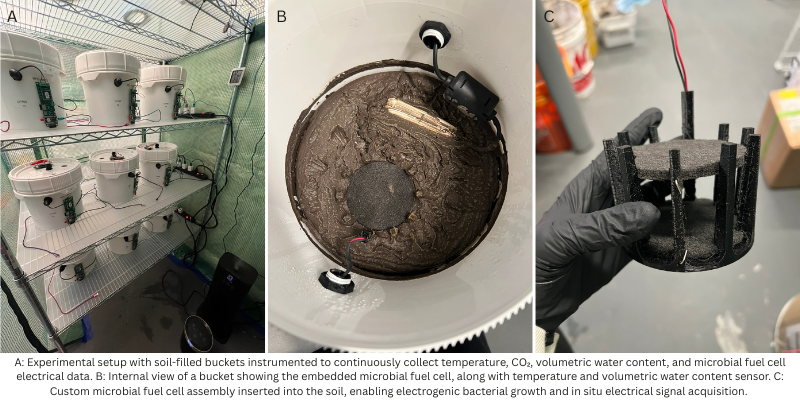
This study aims to examine relationships between soil microbial composition, microbial fuel cell (MFC) performance, and soil carbon cycling. The project began with planning, testing, material acquisition, fabrication, and infrastructure setup. Ella first defined the experimental design, ensuring gas-tight bucket construction, controlled airflow, and appropriate headspace volume. Soil composition was analyzed to determine the most suitable synthetic formulation for gas-related studies. Next, Ella developed a custom 3D scaffold for MFC electrodes to ensure consistent geometry and reproducibility, alongside the preparation of sensor components. She then tested the CO2 sensor calibration, evaluated condensation-prevention methods, and optimized of environmental control systems. Compost tea was produced and analyzed for carbon concentration to guide later treatments. The experimental infrastructure was completed. During the summer, synthetic soils were prepared, MFCs were assembled and calibrated, and sensors were installed and connected to the DirtViz database. A custom web interface was created to visualize real-time data and flag anomalies. Continuous experiments began in September 2025, generating the first validated dataset. The system achieved stable operation with continuous voltage, CO2, temperature, and moisture monitoring. Preliminary analyses confirmed measurable correlations between microbial activity, CO2 flux, and electrical output, validating the design. Technical refinements improved temperature control, implemented a watchdog for sensor dropouts, and established daily measurement routines to maintain microbial stability. The project is currently in continuous data collection and analysis for further insights.
Fatima Rizvi, Microbiology and Environmental Toxicology
Accumulation of dietary plant fiber in mammalian tissues
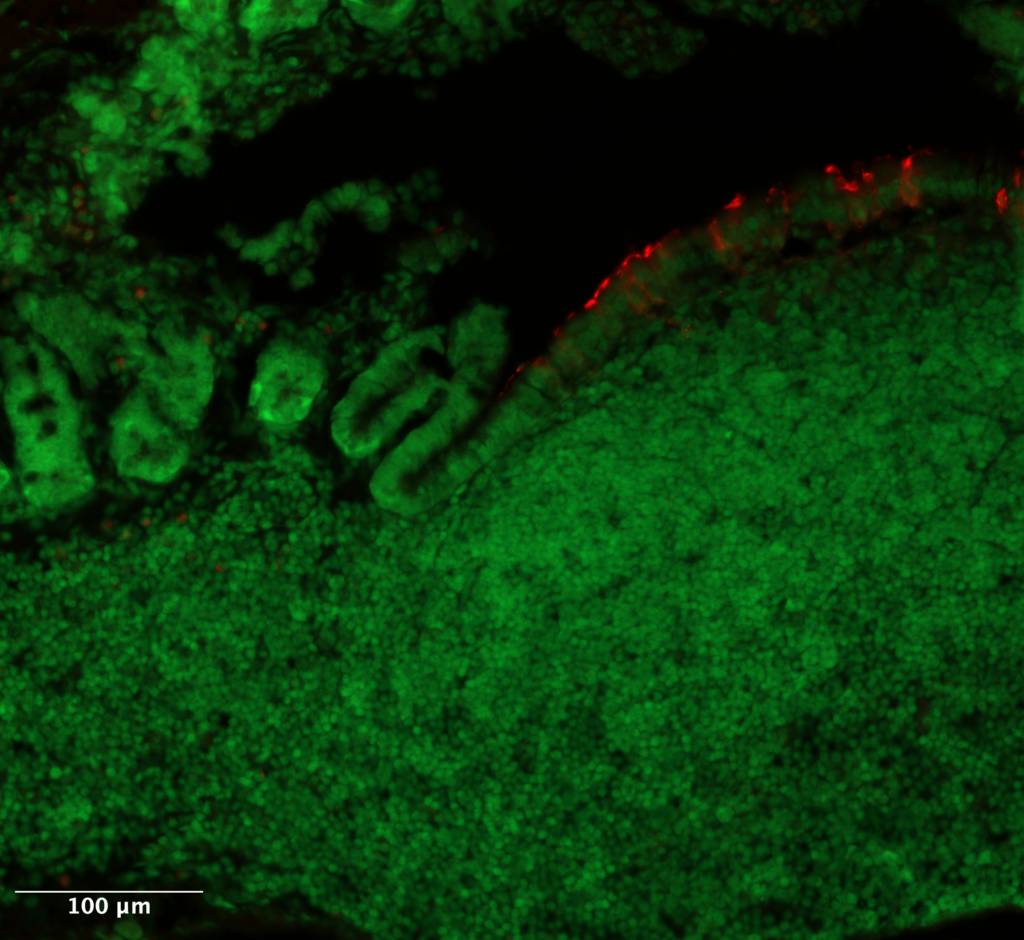
Mammalian diets contain abundant complex plant fiber glycans, yet mammals lack the specific glycoside hydrolases required to digest these fibers. Prior work in the lab shows that plant fibers stimulate immune responses, suggesting that intact fibers cross the gut epithelium and reach immune-active tissues. Fatima’s project addresses two central questions (1) how dietary fibers are transported from the gut to secondary tissues, and (2) the consequences of fiber accumulation within those tissues. To investigate fiber transport, Fatima examined microfold (M) cells as a candidate pathway for epithelial transport. Transport was assessed indirectly by measuring baseline serum anti-fiber antibodies. She found that mice with intact M cells had significantly higher anti-galactan antibody levels, supporting a role for M cells in fiber uptake. She further conducted a 20-day psyllium feeding study in both genotypes to determine whether M-cell deficiency impairs induction of serum anti-psyllium antibodies; analysis of these experiments is currently underway. To assess the consequences of fiber accumulation, Fatima investigated the function of anti-fiber antibodies. She previously showed that intraperitoneal xylan injection induces anti-xylan antibodies and xylan to be deposited in the liver. To test whether antibodies promote fiber clearance, mice were first treated with xylan (to induce xylan antibodies) or PBS (no xylan antibodies). Mice were allowed to make antibodies for 12 days, and were then then injected with biotin-labeled xylan. 16 hours later, livers were collected and it was found that the xylan antibody-positive mice exhibited significantly lower liver biotin-xylan levels, indicating that anti-fiber antibodies facilitate clearance of fiber from secondary tissues. This suggests an evolved immune mechanism to prevent harmful consequences of fiber accumulation as these plant fibers cannot be enzymatically digested and removed from the body.
Anandi Gandhi, Anthropology
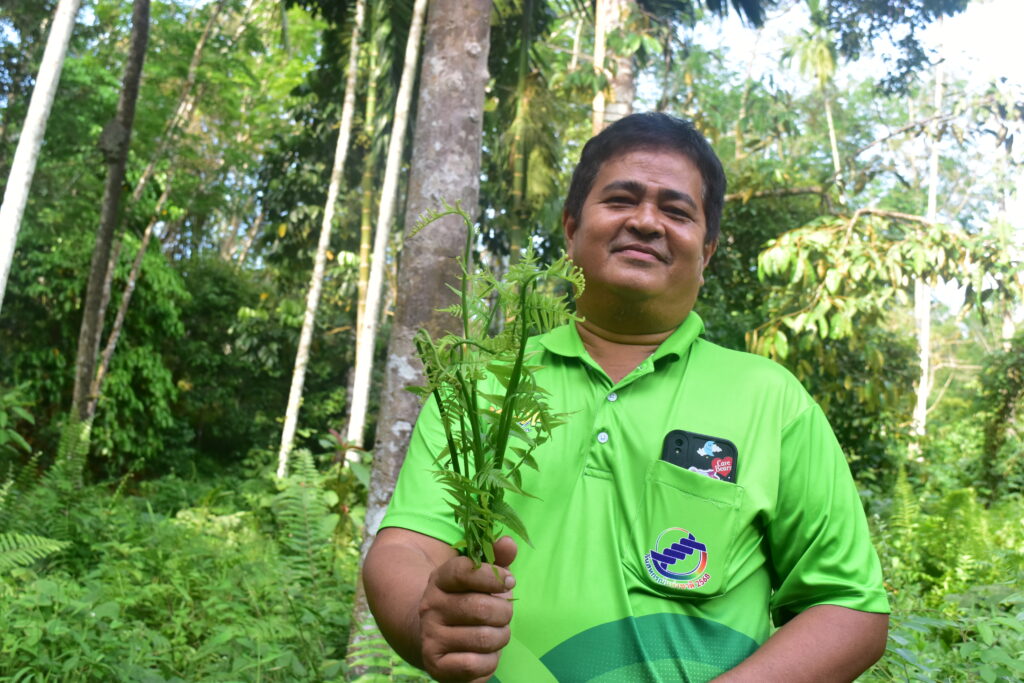
Wanakaset Agroforestry: A Biodiverse Agroecological System for Farmer-Elephant Coexistence in Thailand
Andandi’s project examined the ecological and economic dynamics of wanakaset (agroforestry) systems in relation to human-elephant coexistence in Thailand. She visited four agroforestry farms—three in Eastern Thailand and one in the South—providing valuable comparative data across regions and ecosystems. In Southern Thailand, she visited a para rubber agroforestry farm and collected data on the three to five most important plant species within the system, focusing on ecological and economic roles. This farm served as the baseline example of a mature and complex agroforestry ecosystem. Shen then conducted similar fieldwork on three farms in Eastern Thailand, the area most impacted by elephants. She gathered data on the farms’ economic systems, interactions between elephants and agroforestry plants, and role of biodiversity in supporting wildlife habitats and fostering coexistence between farmers and elephants. Through photographs and video recordings of farmers describing plant function, she identified 5-7 key plant species in each agroforestry system that support farm economies and coexistence with elephants. She also gathered data on how elephants interact with these key species, providing insights into the ecological relationships that enable shared survival on cultivated landscapes. She found that each agroforestry system included a primary economic crop that provided regular income, complemented by intercropped secondary crops generating seasonal income. These intercropped secondary plants played important roles in supporting the main crops by offering supplemental income, raw materials, ecological functions, or contributing to household self-sufficiency. Each plant species exhibited different interactions with elephants—some were eaten, others trampled, while some showed no direct interaction at all.
Andrea David, Computer Science and Engineering
EUREKA: A Decision Support Tool for Environmental Monitoring and Risk Assessment
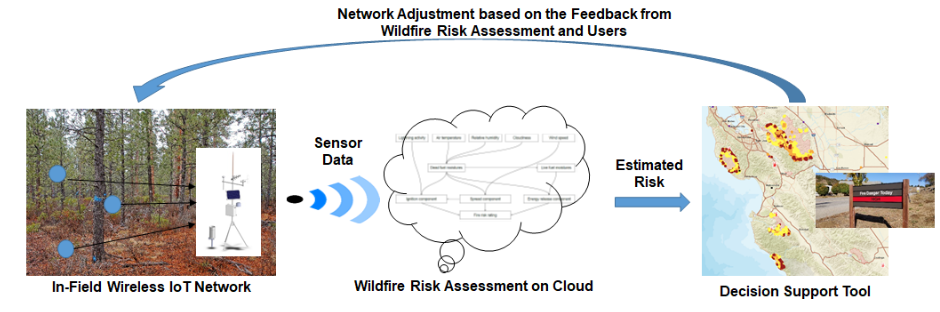
During Summer 2025, Andrea advanced the development of EUREKA, a low-cost, energy-efficient decision support system designed to support environmental monitoring and wildfire risk assessment. EUREKA combines small, solar-powered weather stations with a web-based interface that provides real-time environmental information to researchers, land managers, and communities. The system is designed to operate for long periods in remote locations without access to traditional power or communication infrastructure. The summer’s work focused on preparing EUREKA for real-world field deployment by upgrading and testing both its hardware and software components. On the hardware side, we evaluated an improved version of our sensing stations that enables longer communication range, lower power consumption, and support for additional environmental measurements such as air quality and atmospheric pressure. We also explored ways to extend the stations’ operational lifetime. In parallel, we built the supporting software that brings the collected environmental data together and presents it through a simple web interface. This allows users to easily view environmental conditions as they are reported from the field and keep track of how the system is performing. By the end of the summer, we successfully demonstrated reliable operation of a small network of sensing stations working together to deliver environmental data to a web-based interface. This milestone establishes a strong foundation for expanding the system beyond laboratory testing and into real-world settings, where long-term stability and efficiency are critical. Building on this progress, we are preparing to deploy the full EUREKA system at the UCSC Farm. This deployment will allow us to evaluate system performance under real environmental conditions and guide future improvements for long-term, scalable environmental monitoring.
Kimia Gholami, Electrical and Computer Engineering
Real-Time Tracking of Microbial Hotspots in Rhizosphere
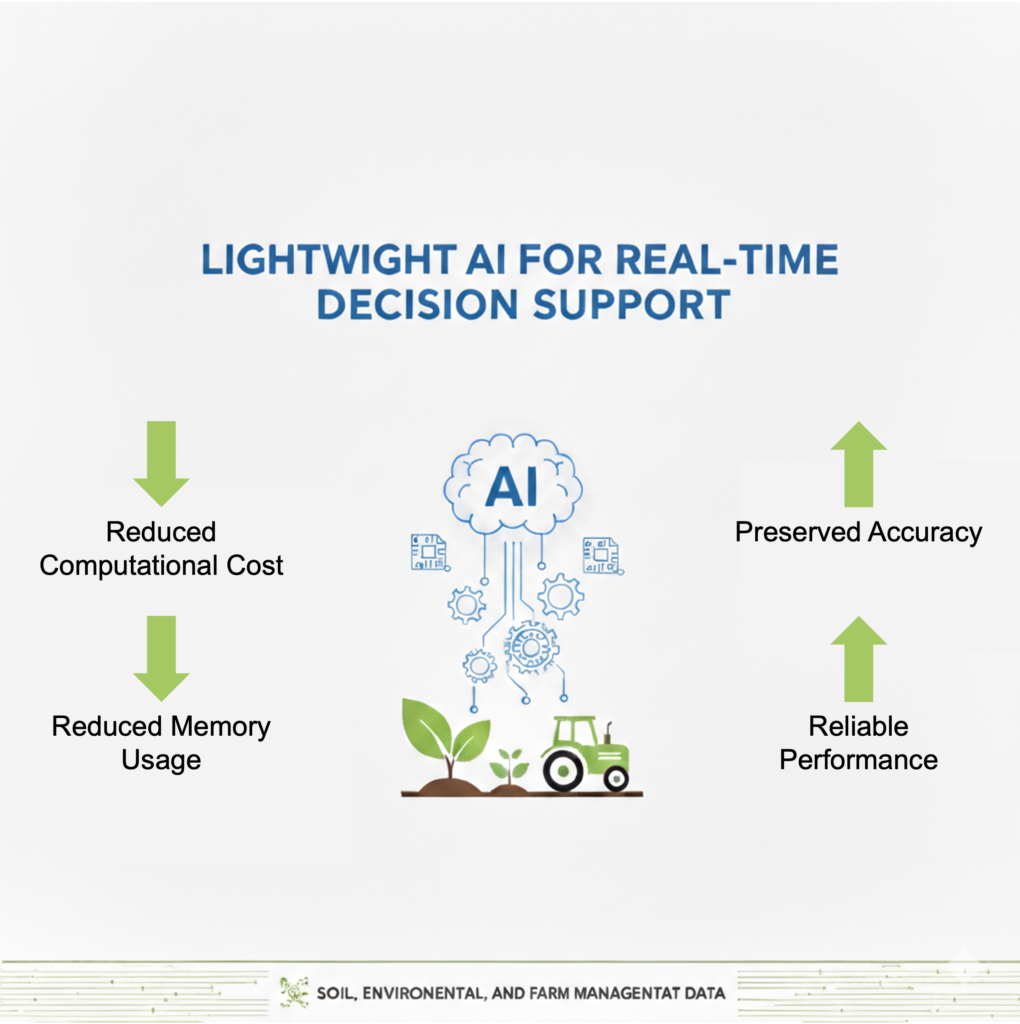
Despite the remarkable advances of large language models (LLMs), their massive computational demands make the impractical for deployment in real-time or resource constrained environments. This limitation is especially important for agricultural and experimental settings, where models often operate on resource-constrained devices, or within low-power decision support systems. This project focuses on developing and evaluating efficient small language models (SLMs) that retain strong reasoning ability while dramatically reducing computational cost. By studying how different fine tuning and compression strategies affect model reliability and efficiency, this work establishes practical guidelines for building lightweight AI systems that remain accurate and stable. The research aligns with the Agricultural Experiment Station (AES) mission by laying the groundwork for domain-specific AI tools that can interpret agricultural and environmental data, such as decision support systems (DSS) and farm management systems framework. These models are designed to support real-time decision making without requiring large servers or cloud-based infrastructure. A key outcome of this study is a validated evaluation framework that helps identify which techniques preserve model reliability, and which may introduce unintended degradation. The results show the substantial reduction in size and computational demands are possible without sacrificing performance, provided that SLM-building strategies are carefully selected. Overall, this work contributes foundational insights toward deploying efficient AI models in agricultural ecosystems. The findings directly inform future DSS that can assist researchers and farmers in managing complex agricultural environments under real-world constraints.
John Madden, Electrical and Computer Engineering
Development Ecological and Agricultural Field Logging System
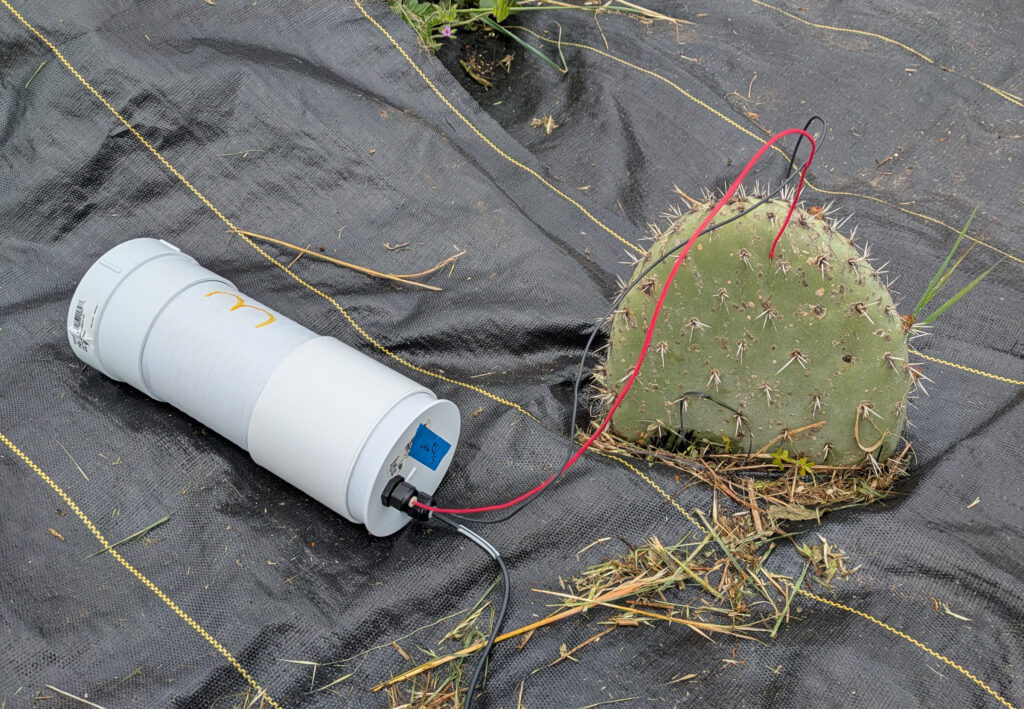
For his project, John focused on field-testing the Environmentally NeTworked Sensing (ENTS) system at the UCSC Farm. The cacti plot on the farm was used as a test case where we monitored the power output and soil parameters (volumetric water content, temperature, and electrical conductivity) over the course of 2 weeks. The deployment revealed issues with the long-term power of the logger, with efforts being completed to fix the problem through firmware updates. Additional hardware was developed to allow for multiple METER-based sensors to be connected to a single logger to support future farm sensor deployments. John has plans to setup ENTS nodes logging soil
parameters alongside Hannah Waterhouse’s data collection experiment at the end of the fall
quarter as a real-world comparison. Additionally, John set up a demo irrigation site using raised beds in our lab, demonstrating the use of ENTS to not only measure but also acuate. Cost-effective volumetric water content sensors were used to measure soil moisture, and drip irrigation was triggered when the VWC fell below certain thresholds. A flow meter was also used to ensure there were no issues with the solenoid-controlled valve. The hope is to turn ENTS into a general purpose experiment station that can be used by multiple parties.
Morgan Masters, Electrical and Computer Engineering
Preparing BirdsEye for Practical Use with Producer Partners
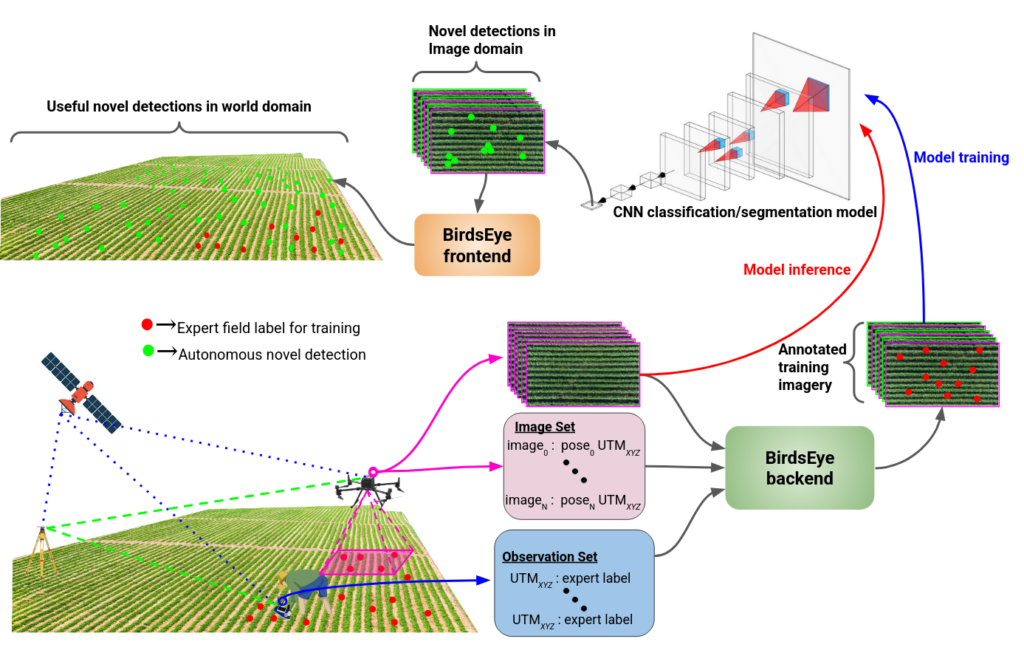
In previous years of the AES Graduate Fellowship Program, we developed a system to rapidly produce geospatial AI tools for small-scale agriculture, called BirdsEye. The goal of this project was to create a user-friendly version of the BirdsEye system that could be tested with real users and produce at least one practical AI model. To achieve this, we worked closely with agricultural partners, including Pie Ranch and Jacobs Farm del Cabo. Together, we developed an AI model that detects gopher holes in farm fields. When trained only at Jacobs Farm and tested at Pie Ranch, the model successfully identified 84% of gopher holes, even though no training images were collected at that site. This result shows that the AI can work in new environments without needing to be retrained – a core benchmark for practical AI. The project resulted in a research paper that is currently under review at IEEE Transactions on Robotics. In addition, we partnered with researchers from CSUMB and Zap Drone Services, a local, UAV-based pest control advisor, to develop a $800,000 grant proposal focused on detecting insect pests and fungal diseases in local crops. This proposal has been submitted to the USDA and is under review. We also shared our prototype with undergraduate and graduate students in the 2025 UCSC CIDER Pilot Training Program to demonstrate how AI and drones can support environmental monitoring. Finally, we began a collaboration with UCSC and UC Berkeley environmental scientists, using drone-based data to study cover crops. These data helped researchers assess plant health and growth across different farming treatments.
Emily Chambers, Anthropology
Unsettled Ground: Exploring the Effects of Global Environmental Change in Canada’s Northernmost Orchard
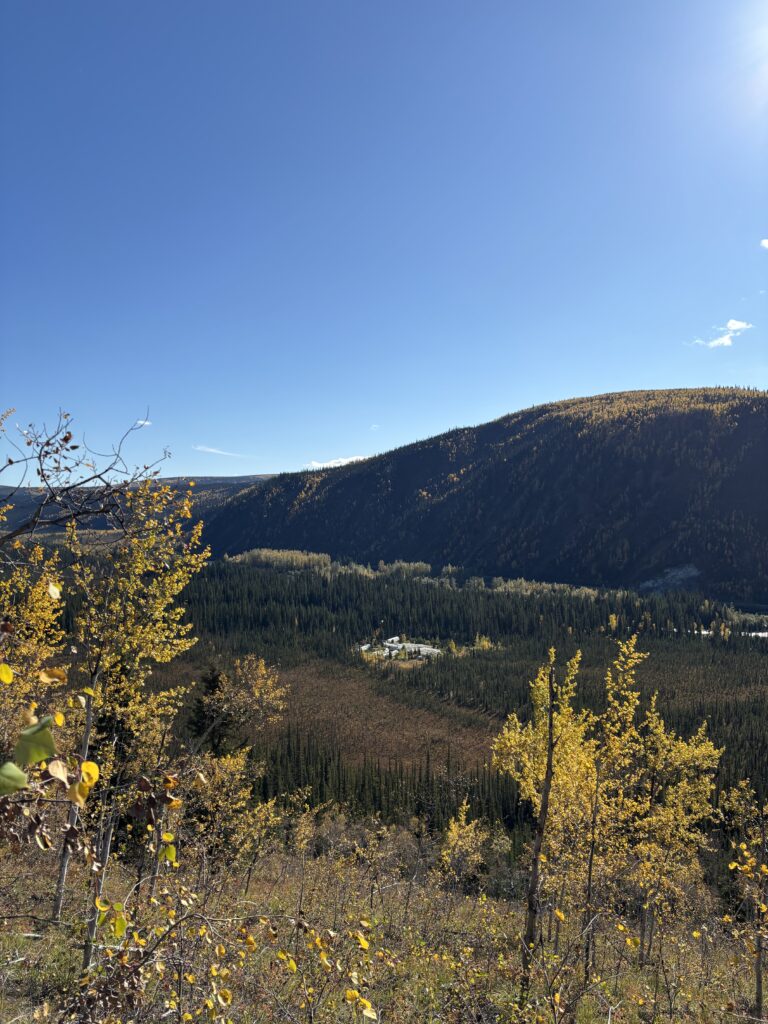
Emily spent eight weeks at Klondike Valley Farm and Nursery in Dawson City, Yukon to learn how accelerated permafrost thaw has led to the adoption of new land use activities and cultivation techniques in Canada’s circumpolar region. Agriculture was not originally practiced by the Trʼondëk Hwëchʼin, the original inhabitants of the central Yukon; however, the lowering of the permafrost table over has made the region more hospitable to cultivation. Klondike Valley Farm and Nursery provides the community with fresh fruit and vegetables and host the northern-most apple orchard in Canada, made possible by creative growing techniques to address the harsh environment and short growing season. Local farmers are important members of the community in Dawson, as northern residents often struggle with food insecurity due to isolation and high import costs. Emily conducted participant observations in town and at Klondike Valley Farm to learn about vegetal and geomorphological responses to permafrost presence and thaw in the boreal forest. She also conducted semi-structured interviews with northern farmers, residents, and researchers to situate the smaller movements of individual plants and animals within larger scales of landscape transformation. She learned that farmers are keen observers of areas with a higher or lower permafrost tables. Areas of high permafrost density are covered by a thick, spongy layer of moss that protects the frozen ground and prevents thawing. Trees in these areas tend to grow much slower and skinnier than where the permafrost table is lower. Trees in permafrost zones tend to lean to the sides because their roots are unable to penetrate the permafrost to anchor the tree into the ground. Instead, spruce roots grow laterally along the top of the permafrost layer, making these trees particularly unstable. This fieldwork enabled Emily to develop important connections with the community. She also developed a kind of landscape literacy, learning to notice how permafrost, a subterranean, largely invisible process, moves and interacts with plants, people, and animals.
Sara Rowan, Anthropology
Living with Plant Pathogens: Ash Dieback and its Impacts on UK Communities
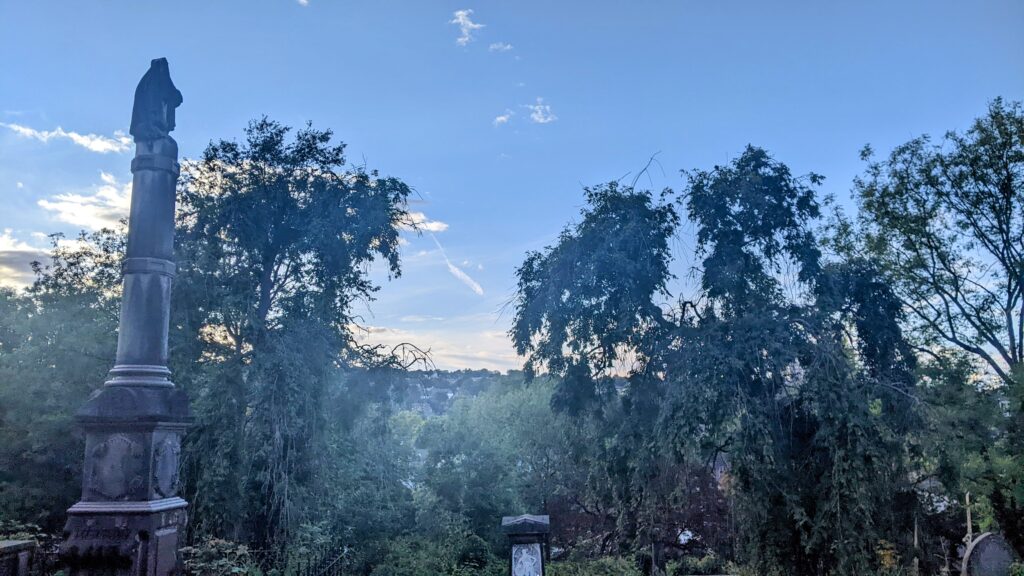
Sara conducted field work in the United Kingdom. She spent two months engaging with a network of communities to understand how people are experiencing mass tree death. Over a few weeks, the project shifted its focus to what residents in Sheffield are currently experiencing. While ash dieback has been a concern, the legacy and fallout of the Sheffield tree protests are more prominent in people’s minds when considering how human and tree relationships are developing in modern Britain. To understand how tree and human relationships are developing, Sara volunteered at Eccelsall Woods and several nature reserves across Sheffield, and conducted 15 semi-structured interviews with people who manage societies that help caretake for urban trees and urban woodlands. The protests lasted for six years (2012-2018) and the Sheffield City Council and partnering companies planned to fell tens of thousands of trees in Sheffield, which has an identity of its own as Europe’s “greenest” city. To this day, the protests echo in people’s minds as they grapple with appropriate management of urban trees. Some residents believe no tree should ever be felled; others advocate for mass tree felling as an appropriate management strategy for certain means, like urban development or disease management. Underlying this debate is a long history of tree management and how it’s unfolded over the last century. Many of the woodlands in and surrounding Sheffield have a legacy of being regularly coppiced and pollarded, but now they are post-industrial and are left completely unmanaged. Some residents have pointed towards old photos to show how much the landscape has changed, where one used to be able to see through woodlands, and now it’s completely overgrown. Sara has spoken to ecologists who warn that this will eventually lead to a decline in woodland health as the canopy becomes too dense. All of this is happening in the backdrop as Sheffield residents attempt to figure out what appropriate management looks like and how to go about handling a veteran yet diseased tree.